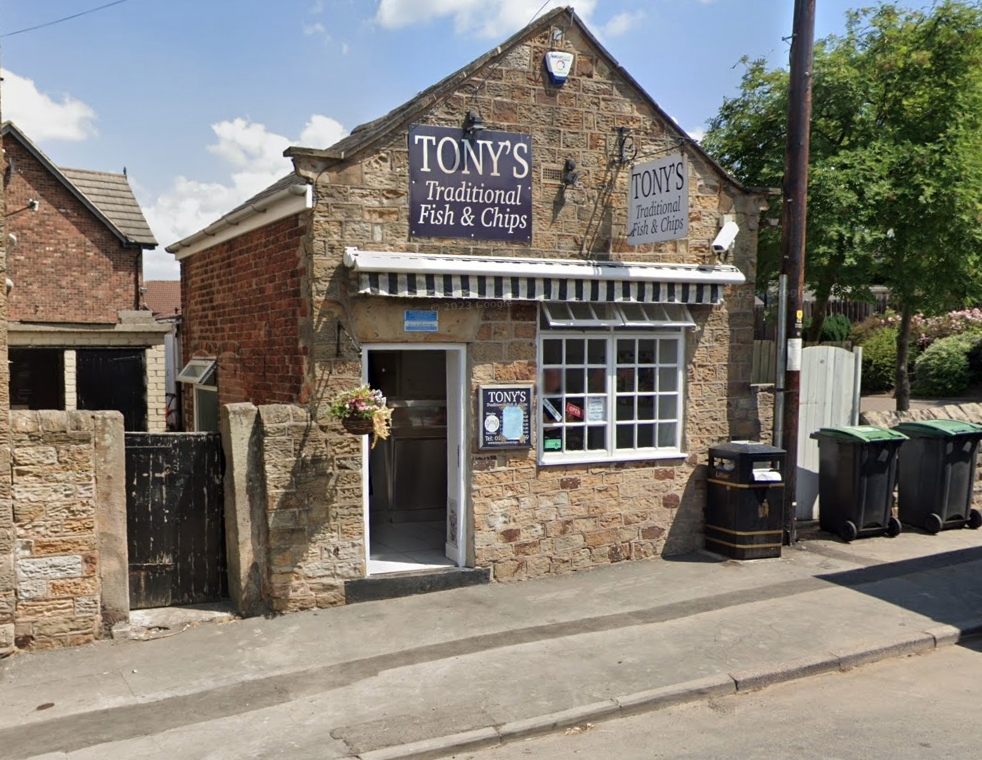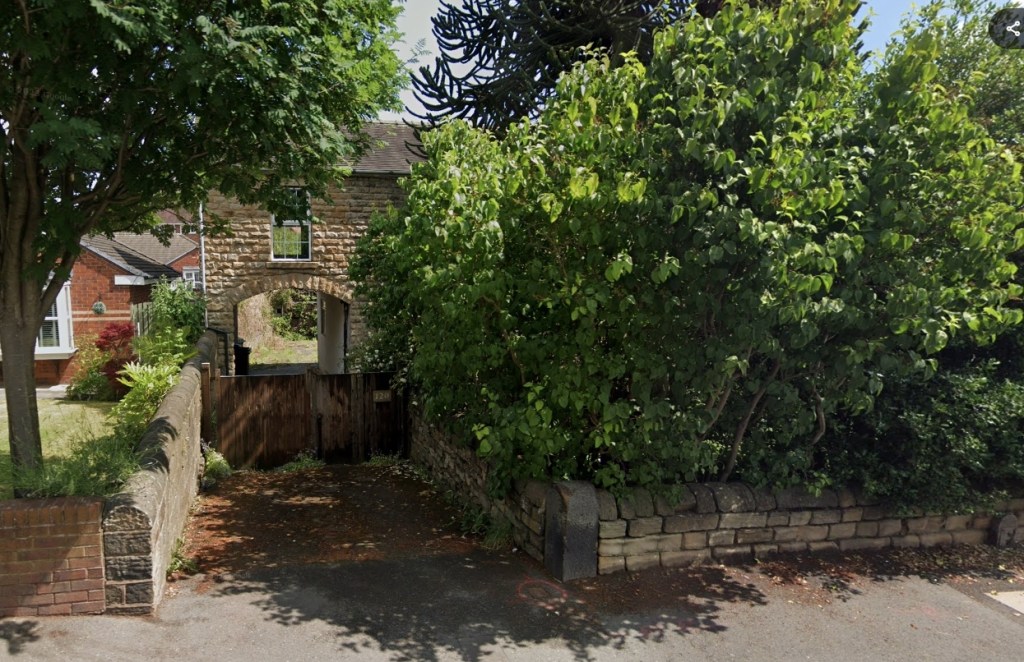
‘Ivy House’, 120 High Street, Mosborough

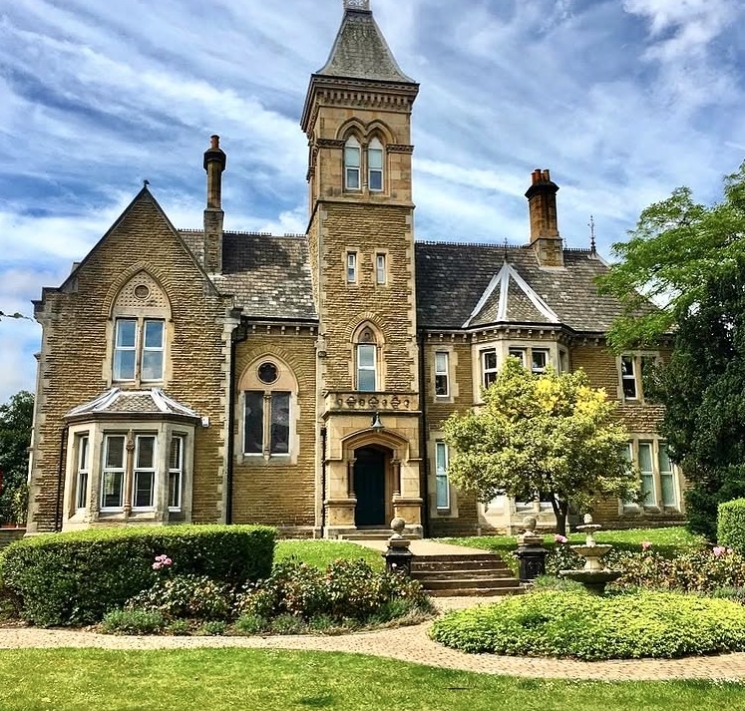
Fig. 1 – Ivy House, 120 High Street, Mosborough.

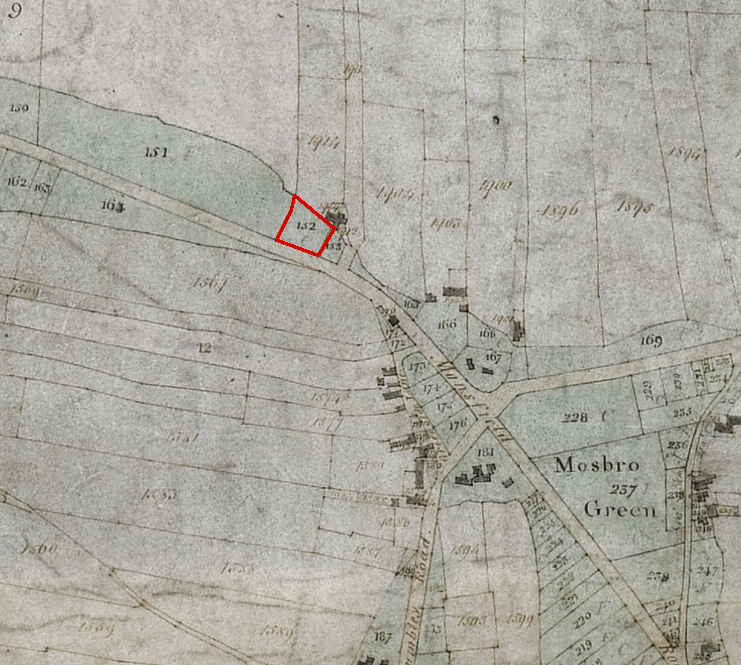
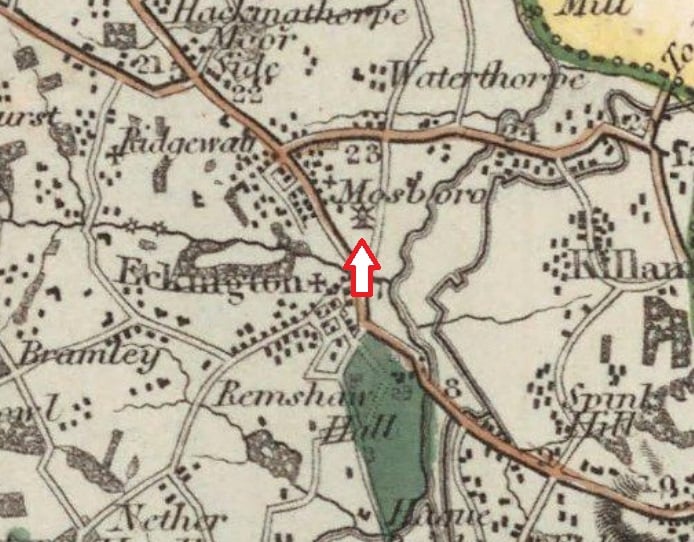
The land upon which 120 High Street is built was formerly part of the common land known as Mosborough Moor. In 1796, Enclosure Commissioners divided the common into allotments that were granted to those with landholdings within the Manor. Allotment No. 152, (edged red on the attached extract from the Enclosure plan) upon which 120 High Street was built was granted to John Pedley (1740-1809) of Plumley Hall, Mosborough. There were no buildings on this allotment in 1796, and George Sanderson’s map “Twenty Miles around Mansfield”, indicates that the land was still clear of buildings in 1835. The 1875 Ordnance Survey map of Mosborough shows the house and garden with a layout very similar to how it looks today. A report of an auction sale in 1890 reveals that John Ibbotson Hayes (1801-1890), the former Schoolmaster of Mosborough School, had been the owner of six properties in High Street, one of which, No. 120, was occupied by a family by the name of Waller. The 1891 Census confirms that this was Thomas Waller, a coal carter, with his wife Annis and sons George and Elijah. Hayes had occupied the neighbouring house and yard (“Hayes Yard”, since demolished). All six of the houses were purchased by Henry Watson, a butcher of Renishaw. Thomas Waller died at 120 High Street in 1900, and it appears that his wife and one of their sons were living there at the time of the 1901 Census. By the Census of 1911, the Hewitt family were in residence and 120 High Street had been newly named as “Ivy House”, comprising of 6 rooms. Kitson Hewitt, 34, a colliery engineer and his wife Mary Hannah had been joined by two young lodgers, Gwendoline Amy Green (27) and Gertrude Amy Greenwood (23), female teachers. Hewitt was Honorary Secretary of the Mosborough Working Men’s Club, treasurer and sidesman at St. Mark’s parish church and a member of the Conservative and Unionist Party, having unsuccessfully contested elections to the Eckington Parish Council. Hugh Rowbotham, farmer, and his family of six children moved into 120 High Street some time before 1921. He died there in 1936.

Fig. 2 – Extract from 1796 Enclosure Award Map

A Topographical Dictionary of England, Samuel Lewis (1840)

MOSBOROUGH, a township, in the parish of ECKINGTON, hundred of SCARSDALE, Northern Division of the county of DERBY, 8 miles (N. N. E.) from Chesterfield: the population is returned with the parish. Joseph Stones, in 1680, devised a dwelling house, croft and garden for the use of a schoolmaster, also land now producing an annual income of about £18, for the free education of fifteen children.

Rotherham Road Windmill

John Greenwood’s map of Derbyshire of 1830 (extract attached) reveals the presence of George Wilson’s windmill, not identified on other maps, on the west side of Rotherham Road, at Beighton Hill. The map evidence corresponds with the appearance in a local newspaper in 1827 of a Notice of Sale of a close of land near Eckington, called the Churchfield or Windmill Close, occupied by Mr. George Wilson, “whereon a windmill and cottage are erected”.

Early Coal Mining

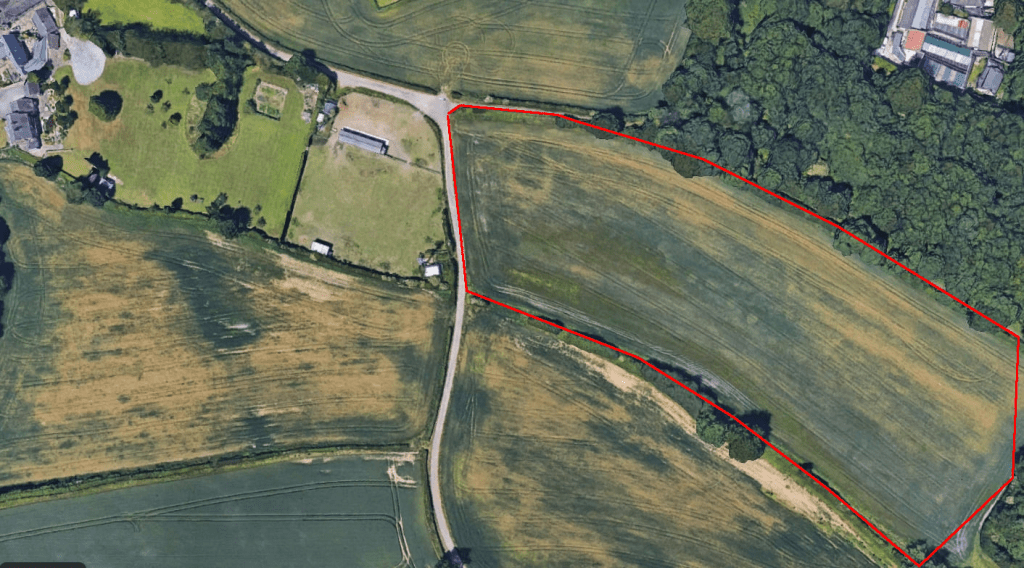
The field edged red on the attached satellite view of the top end of the Bridle Stile was occupied in 1669 by Thomas Camm (founder of the Eckington School of that name). The field was called “Coale Pitt Bancke”, and the circular crop marks just visible and running down the length of the centre of the field are probably signs of bell pits. These were the easiest form of extraction for coal which was known to lie close to the surface.

Mark Kirkby (1852-1918) of Plumley Cottage, Mosborough

No photo description available.

A classic story of Mark Kirkby (1852-1918), told by Osbert Sitwell in his autobiography “Left Hand, Right Hand”.
“A character himself, he possessed an understanding of character in others which rendered him a doubly diverting companion. He would regale us, for instance, with stories of Mallender, who came from Mosborough, about a mile from where Mark lived, and was of so irascible a nature that on one occasion, when rain was pouring down and the weather-glass still marked fair, he seized the instrument and, taking it out of the house, shook it vigorously, and at the same time addressed it angrily with the words, “ Now see for thysen if it in’t raining ! ”

Joseph Creswick of Mosborough: A Soldier of the English Civil War

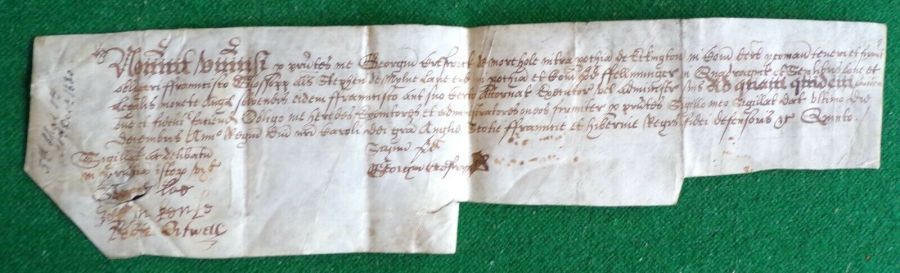
The appearance of this deed (c.1630) on EBay1 prompted the discovery of a Mosborough soldier of the English Civil War. George Creswick of Moorhole, mentioned in the document had a brother or son, Joseph (d. 1656), whose will was found at the National Archives. Joseph described himself as a yeoman of Mosborough, and being “sicke in Bodie”, he nominated his brother, Nathanial Creswick, to be his executor and to whom he left his horse, together with his doublet and breeches “which I have at London”. He directed that “all that monie which is due unto me from the Troope to be paid to the hands of my Quartermaster Henry Lichfield for the discharge of my burial and other incident charges attending”. He died during Oliver Cromwell’s Protectorate (1653-1658) and its not entirely clear whether he was a soldier of the Parliamentary or Royalist forces.

  1. Receipt in £23 10s from George Creswick of the Morehole, Eckington, yeoman to Francis Stephen alias Glossopp of Mylne Lane End, fellmonger, for a cottage in Mosborough and 1 1/2 acres on Levonstorth Furlong in Lee Felde bought by Glossopp by indenture of 31 December 1629. – 25 March 1630. S.R.O., D7987. ↩︎

The Journey Begins

Thanks for joining me!

Good company in a journey makes the way seem shorter. — Izaak Walton

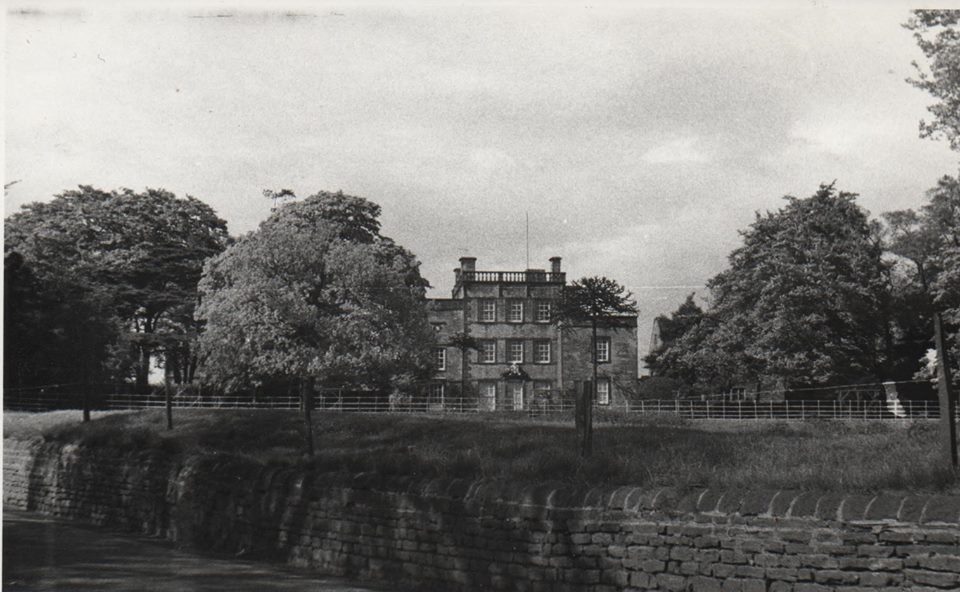
Mosborough Hall 1
Mosborough Hall

Welcome to the Mosborough One-Place Study website, which aims to bring together and share photos and stories about the village of Mosborough in South Yorkshire.

If you have any photographs, memories or stories to contribute, or would like more information, please contact me at johnerotherham@gmail.com

British Association For Local History (BALH) Member